Day One: Tuesday, October 20, 2026
10:00 EDT
15 min

Welcome and Opening Remarks from the Chairs
10:15 EDT
45 min
The Impact of Psychological Safety on Inclusion
Effective leaders ensure there is psychological safety in the workplace to enable inclusion and well-being. Psychological safety refers to the belief that one can speak up and challenge ideas without fear of being ignored, reprimanded, or humiliated by authority or others in the organization.
Many leaders ask:
- What is psychological safety and why is it important?
- How does psychological safety contribute to inclusion in the workplace?
- What can leaders do to enhance psychological safety on their teams?
- What is the impact of psychological safety on inclusion?
- How can a focus on inclusion contribute to greater psychological safety in the workplace?
- What are some techniques to foster psychological safety on our teams and for the organization? Where do I start?
- Insights, tools, and techniques to enhance psychological safety in the workplace.
11:00 EDT
45 min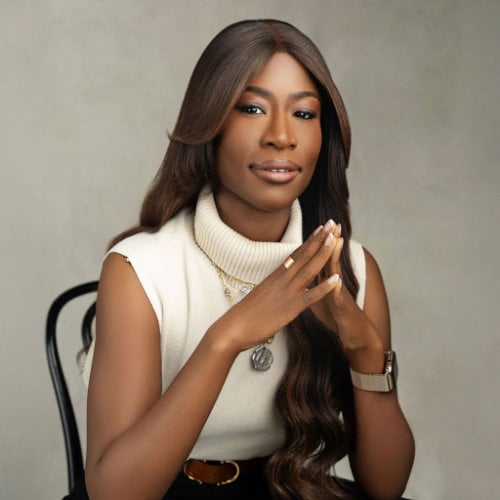
AI as a Powerful Talent and Performance Strategy Supporting DEI
Elise Ahenkorah, Culture, Inclusion and Belonging Strategist | Founder, Inclusion Factor
As AI adoption accelerates, organizations face a critical choice: automate work away from people, or use AI to help people perform at a higher level. The fact is, that organizations seeing the strongest results are the ones using AI to strengthen judgment, collaboration, learning, and decision making. This session explores how AI, leadership decisions, and workplace systems intersect to shape performance, opportunity, and inclusion.
Participants will leave with the ability to:
- Understand how AI is changing leadership, talent, and performance.
- Recognize how AI systems can create or reduce barriers for different groups of employees.
- Use AI to support better decision-making, learning, and collaboration across teams.
- Identify risks related to bias, talent pipelines, and workplace culture when implementing AI.
- Apply a people-first framework for AI that improves performance and supports inclus.
11:45 EDT
45 min
Beyond Representation: Indigenous Inclusion, Reconciliation & Belonging in the Workplace
Dale Ahenakew, Acting Director of Human Resources, Assembly of First Nations
Organizations cannot build truly inclusive cultures without addressing Indigenous perspectives, reconciliation, and systemic barriers. This session explores practical ways to strengthen belonging, cultural safety, and Indigenous participation across the workplace.
- Moving from symbolic gestures to meaningful Indigenous inclusion and reconciliation in workplace culture.
- Building psychologically safe and culturally informed environments that improve belonging, retention, and trust.
- Embedding Indigenous perspectives into recruitment, leadership development, policy, and organizational decision-making.
12:30 EDT
45 minBreak
13:15 EDT
45 min
Strategic, Data-Driven DEI
Evidence-based DEI allows leaders to identify gaps, measure progress, allocate resources effectively, and demonstrate accountability. By collecting and analyzing workforce data responsibly, organizations can turn insight into action to advance DEI progress.
- How to move beyond reporting activity to actionable strategies – using DEI metrics for workforce planning, talent strategy, and inclusion outcomes.
- Leading practices in DEI data collection – What to measure, how often, and at the right level of aggregation for actionable insight.
- Practical guidance for creating self-identification surveys and workforce census initiatives that maximize participation and reliability.
- Governance and accountability – Governance and accountability – Using metrics to show progress, surface gaps, and support continuous improvement.
- Designing surveys that yield accurate, useful data while maintaining privacy and trust.
14:00 EDT
45 min
Advancing DEI with AI & the New AI Bias Audit
As employers increasingly rely on AI tools to screen candidates, rank applicants, and support hiring decisions, new risks are emerging around algorithmic bias and transparency. Regulators and courts are beginning to scrutinize these systems, making AI bias audits and governance an essential part of responsible and legally compliant HR practices.
- Prevalence of automated tools in assisting with résumé screening, candidate scoring, and video interview analysis—often influencing who advances in the hiring process.
- How algorithmic bias can replicate and unintentionally reproduce or amplify existing biases, potentially creating discriminatory outcomes.
- The risks posed in using AI systems trained on past hiring data.
- How independent bias audits and impact assessments are becoming critical tools for organizations to test AI systems for fairness, ensure transparency, and meet evolving regulatory expectations.
14:45 EDT
15 minBreak
15:00 EDT
45 min
Beyond Compliance: Disability, Diversity and Inclusion in Canadian Workplaces
Alan A. McCallum, Partner, PooranLaw Professional Corporation
Disability remains the most common yet least understood dimension of workplace diversity. As accessibility laws and human rights expectations evolve, organizations must move beyond compliance toward meaningful inclusion of employees with disabilities.
- The legal foundations of disability inclusion – Duty to accommodate, human rights protections, and the growing impact of accessibility legislation.
- Where employers still get it wrong – Common mistakes in accommodation, performance management, and workplace culture.
- Moving from legal risk to inclusive leadership – How organizations can embed accessibility and disability inclusion into governance, HR policy, and organizational design.
15:45 EDT
45 min
Supporting Trans and 2SLGBTQ+ Employees in Polarized Times
Support for trans and 2SLGBTQ+ employees is increasingly unfolding in a climate of political polarization, misinformation, and public scrutiny. Employers need practical, legally sound strategies to protect employees, support managers, and maintain inclusive workplaces without escalating conflict.
- Practical guidance for addressing pushback, navigating conflicting employee views, and maintaining respectful workplaces while upholding inclusion commitments.
- Steps organizations should take now—confidential transition support, safety considerations, harassment response protocols, and clear reporting mechanisms.
- How leaders can frame policies, training, and workplace expectations in ways that are clear, respectful, and aligned with Canadian human rights law while maintaining organizational trust.
16:30 EDT
End of Day One
Day Two: Wednesday, October 21, 2026
10:00 EDT
15 min
Welcome and Opening Remarks from the Chairs
10:15 EDT
45 min
Neutralizing Backlash: Leadership Messaging in Polarized Times
Denine Das, Executive Lead, Inclusion, Indigenous & Social Responsibility, Metrolinx
DEI is no longer a neutral or technical conversation. Across Canada, inclusion efforts are being questioned, politicized, and publicly challenged. For leaders the risk is paralysis: pulling back in ways that erode trust, weaken culture, and expose organizations to long-term reputational and talent risk. This session will help you reframe DEI as a core leadership and governance issue — and equip leaders to respond with clarity, confidence, and credibility.
- How DEI shifted from operational priority to cultural flashpoint.
- What has actually changed versus what feels louder than before.
- Why retreating, rebranding, or “going quiet” on inclusion often creates greater internal and external exposure than principled engagement.
- How effective leaders anchor DEI in values, workforce realities, and outcomes.
- What employees, regulators, and the public now expect from leaders.
- How to communicate inclusion priorities without inflaming division or losing trust.
11:00 EDT
45 min
ERGs: Strategic Engines for Inclusion That Drive Belonging, Retention and Business Impact:
Employee Resource Groups (ERGs) have evolved from informal peer networks into influential drivers of culture, engagement, leadership development, and organizational insight. This session explores how Canadian organizations are designing ERGs that strengthen belonging, support underrepresented employees, inform business decisions, and deliver measurable value across talent, culture, and performance outcomes.
- Structuring ERGs for long-term impact: governance, executive sponsorship, funding, and accountability.
- Using ERGs to strengthen recruitment, retention, leadership pipelines, and employee engagement.
- Measuring outcomes and avoiding common challenges, including burnout, tokenism, and unclear mandates.
11:45 EDT
45 min
Navigating the Canadian Legal Landscape to Advance DEI Outcomes
DEI initiatives in Canada intersect with multiple legal frameworks: privacy, human rights, employment equity, pay equity, and broader employment law. Leaders and practitioners must comply with their obligations under all relevant legislation including how to collect, analyze, and act on workforce data responsibly to reduce organizational risk. This session equips DEI professionals with practical guidance to navigate the Canadian legal landscape confidently, while advancing meaningful DEI outcomes.
- Understanding PIPEDA, provincial privacy laws, and best practices for voluntary self-identification, data minimization, and secure reporting.
- How the Canadian Human Rights Act, provincial human rights codes, and employment obligations affect DEI practices, hiring, promotions, and workplace accommodations.
- Key considerations under the federal Employment Equity Act, provincial equivalents, and pay transparency laws including what metrics must be collected, reported, and acted upon.
- How to identify legal risks, avoid common pitfalls, and communicate DEI data and initiatives effectively to boards, executives, and employees.
12:30 EDT
45 minBreak
13:15 EDT
45 min
Humanizing 2SLGBTQIA+ Inclusion in the Workplace
Jenna Wray, Co-Founder & Engagement Director, Better Belonging
In a time of increasing misinformation and backlash towards the 2SLGBTQIA+ community, many people remain silent – unsure how to navigate conversations, support colleagues and teams, and appropriately respond to conflict and harm. This session recentres the conversation to focus on our shared humanity, recognizing our collective responsibility to create workplaces where all people regardless of their gender or sexuality are treated with respect and dignity.
Participants will leave able to:
- Recognize unconscious bias and misinformation towards 2SLGBTQIA+ employees and understand why inclusion is a human rights and safety issue, not a political one.
- Feel confident recognizing and responding to harm, and how to act with integrity rather than fear and avoidance.
- Show up as allies in practical ways, including standing up for 2SLGBTQIA+ colleagues, responding to pushback, and building bridges toward better belonging.
14:00 EDT
45 min
Integrating Size Inclusion into Broader DEI Goals: Understanding Anti Fat Bias
Vinny Welsby, Diversity Consultant, Founder of Weight Inclusive Consulting
Anti fat bias is one of the most pervasive yet overlooked forms of workplace discrimination — embedded in hiring, performance expectations, wellness programs, and everyday interactions. At the same time, weight stigma intersects with racism, gender norms, and class, compounding disadvantage for people already marginalized. Employers who ignore these realities undermine equity, employee well-being, and organizational effectiveness.
- How weight stigma shows up in recruitment, performance reviews, dress codes, “wellness” programs, and career advancement.
- Why these biases persist even among people who think of themselves as inclusive.
- Understanding the compounded impact of anti-fat bias when paired with racism, sexism, and class assumptions.
- Size-inclusive policies and practices that work.
- Practical tools for creating equitable job descriptions, accommodations, benefits, and culture building that don’t reinforce body hierarchy.
- How to engage leadership and teams in shifting language, practice, and expectations.
14:45 EDT
15 minBreak
15:00 EDT
60 min
Why Witnesses Stay Silent: When Was the Last Time Your Leadership Publicly Supported Someone Who Reported Harm & How Did You Show Protection Afterward?
Why do witnesses stay silent when they see harm in the workplace? This compelling session, challenges leaders to reflect on their own actions, showing how to publicly support reporters of misconduct and protect them afterward. Attendees will leave with practical strategies to foster courage, accountability, and trust, transforming their organization into one where employees feel safe to speak up.
- Understanding the silence.
- Explore why witnesses hesitate to report or speak up and the organizational consequences of inaction.
- Leadership accountability in real time.
- How leaders can publicly support those who report harm without creating additional risk.
- Creating enduring protection and trust.
- Practical strategies for protecting reporters and witnesses after incidents, embedding psychological safety and integrity into organizational culture.
16:00 EDT
30 minWrap Up and Q & A
16:30 EDT
End of Day Two